
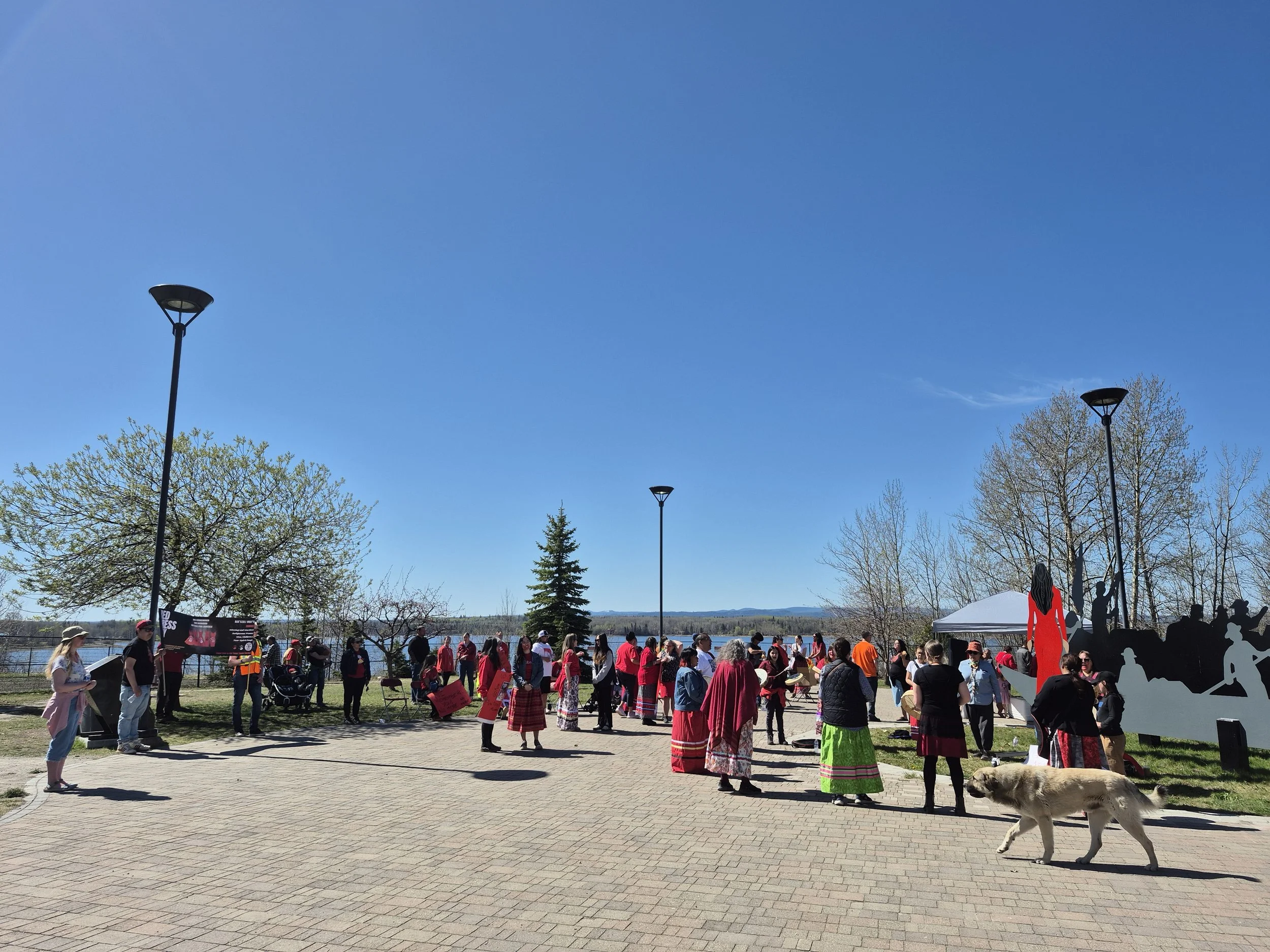
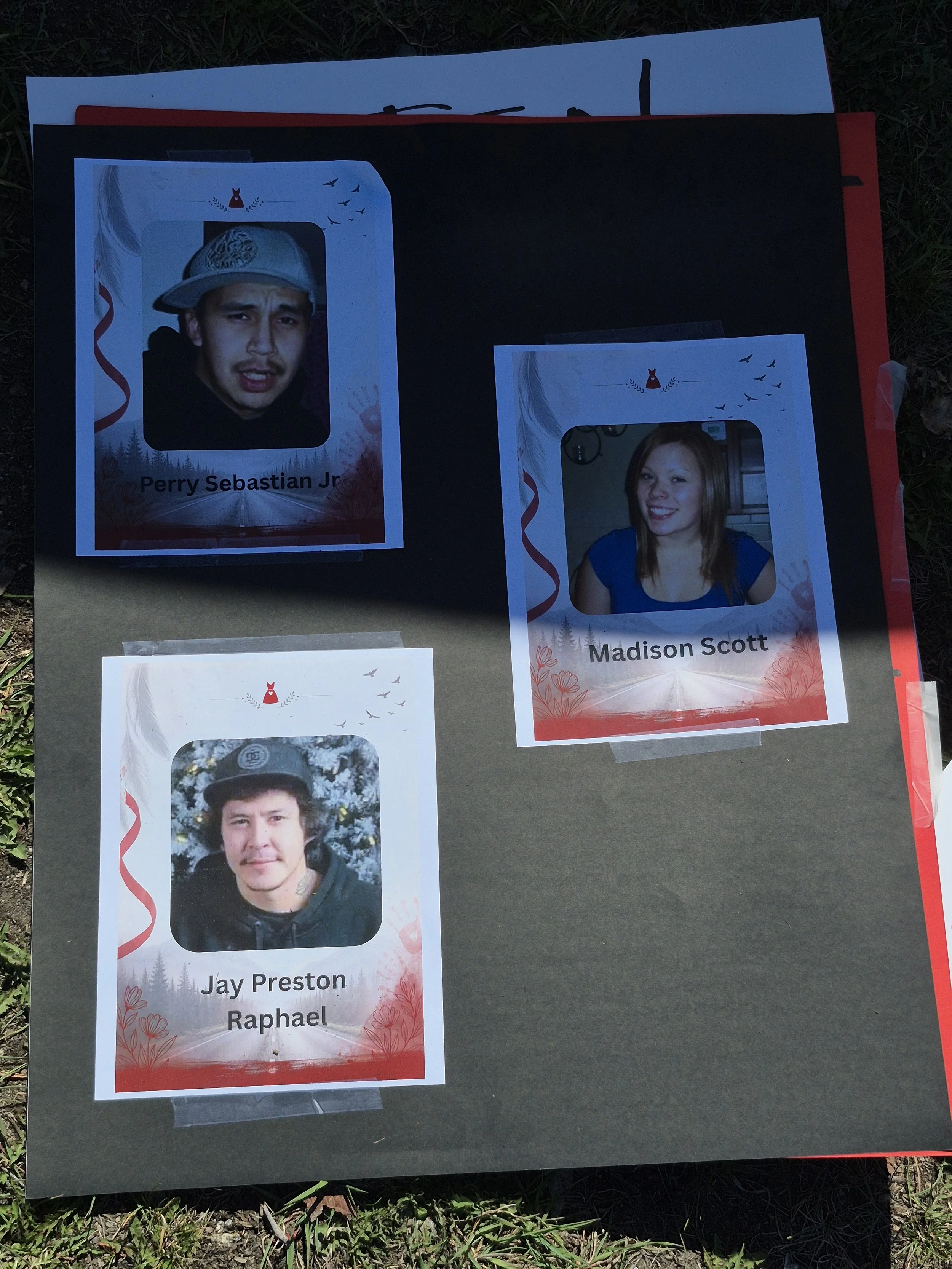
The spring heat may have melted away much of the snow in northern BC’s interior communities, but not the lingering issues of violence against women, girls, and 2SLGBTQ+ people. A national day of awareness for Missing and Murdered Indigenous Women, Girls, and Two-Spirit People (MMIWG2S+), Red Dress Day, recurs on May 5th and has gained traction beyond western Canada. While the growing awareness is appreciated, multiple levels of government have been slow to address the 231 Calls for Justice (pg.10) released in 2019, and the 33 Recommendations put forward by the 2006 Highway of Tears Symposium.
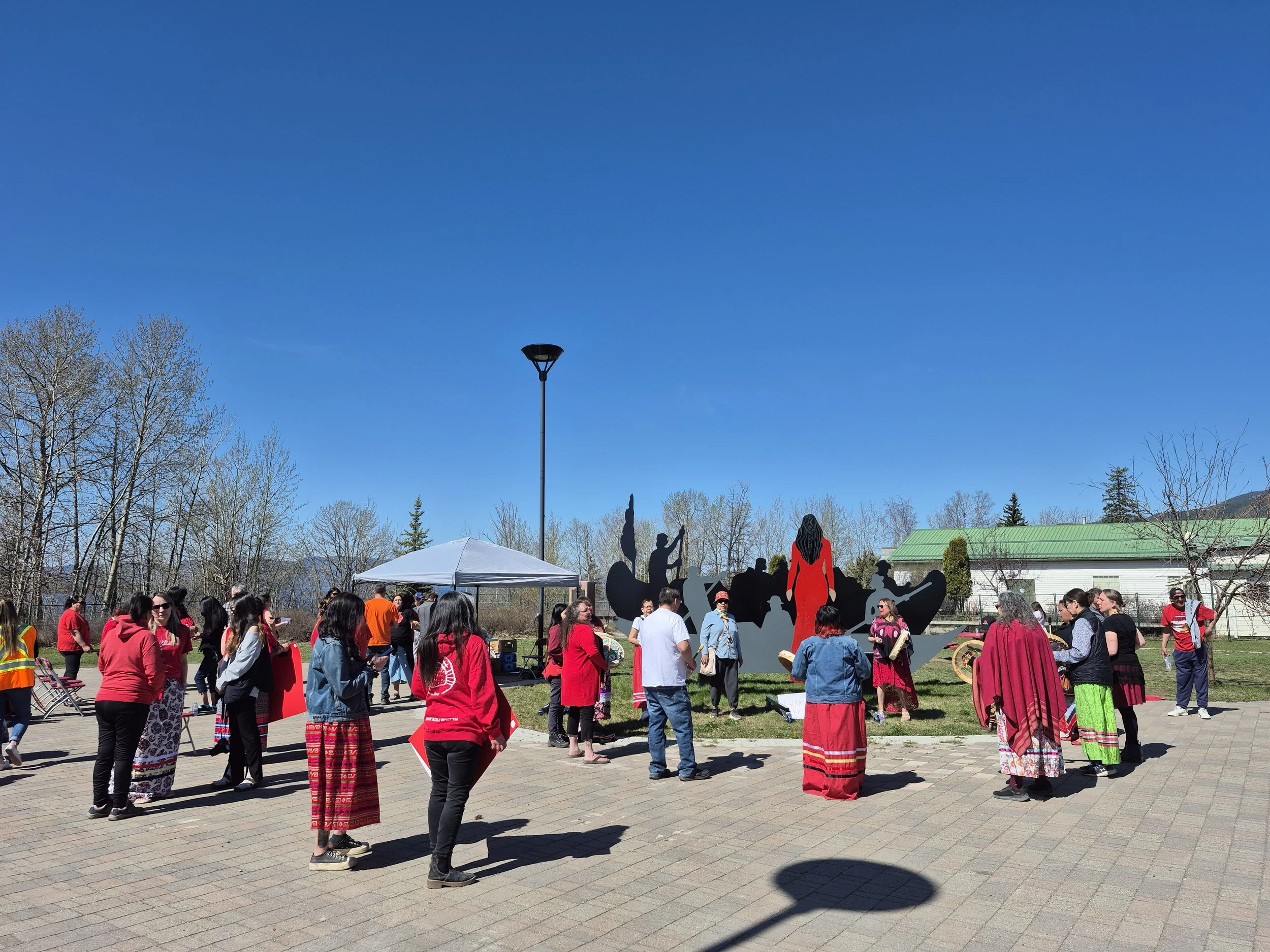
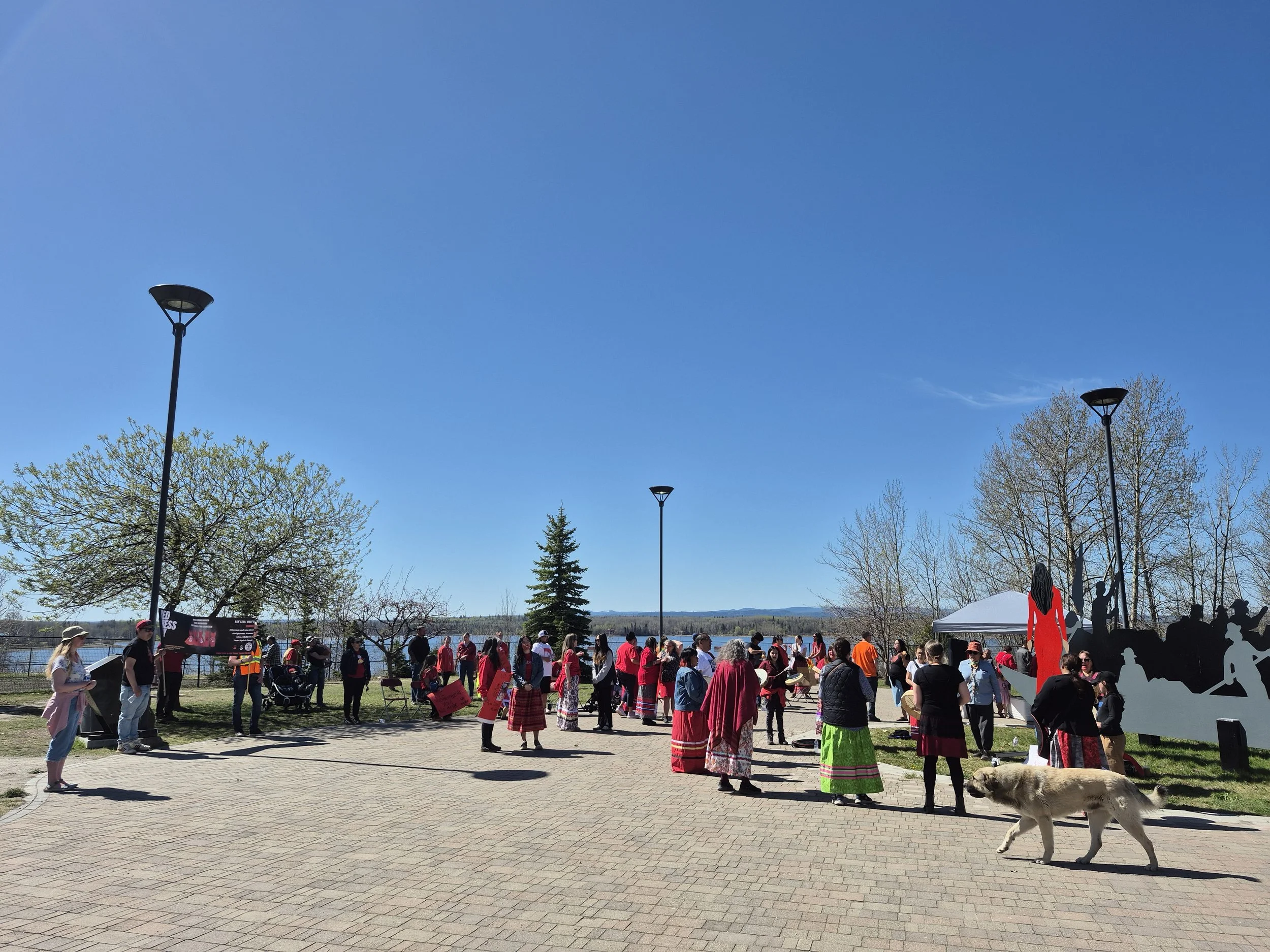
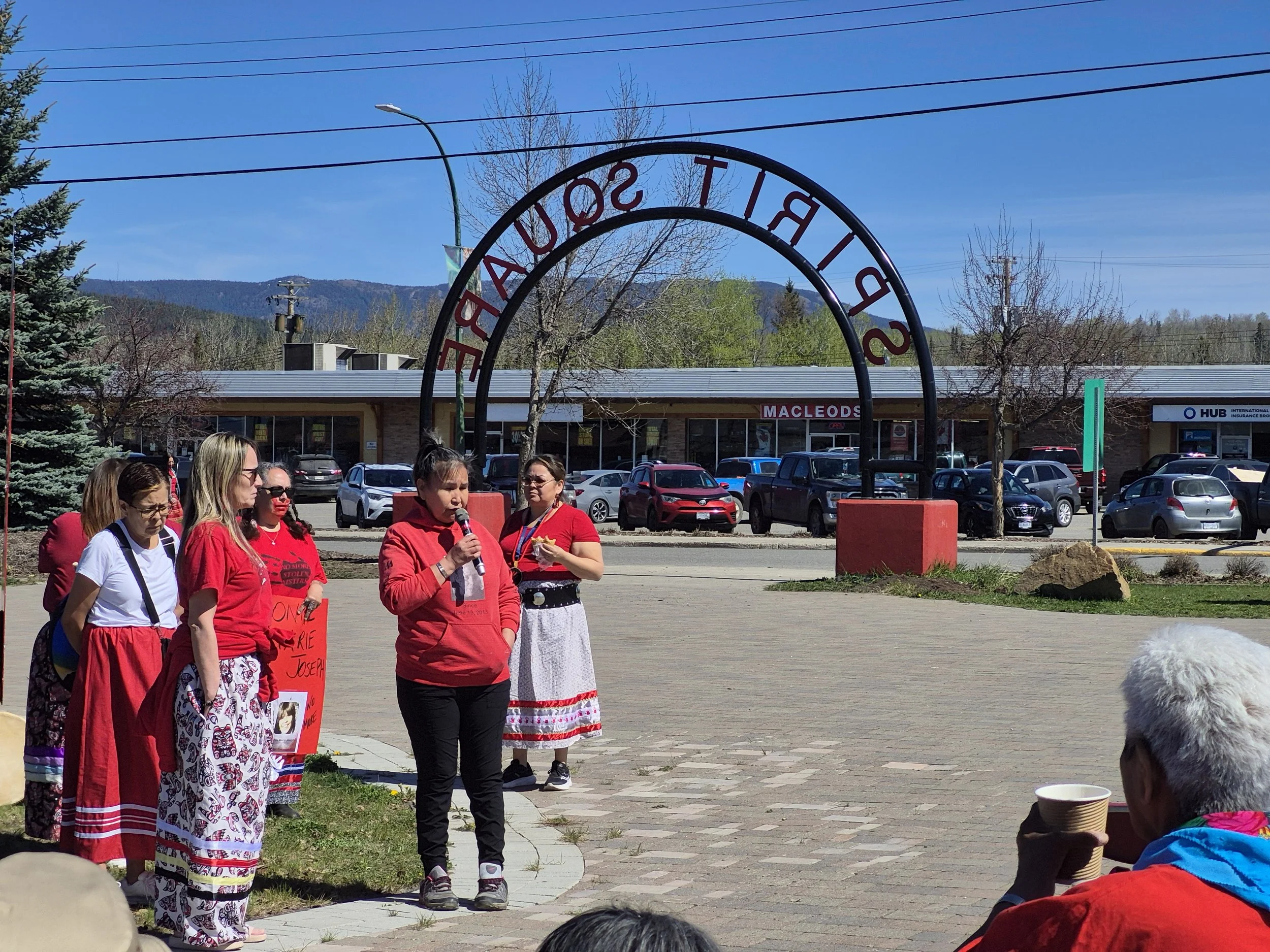
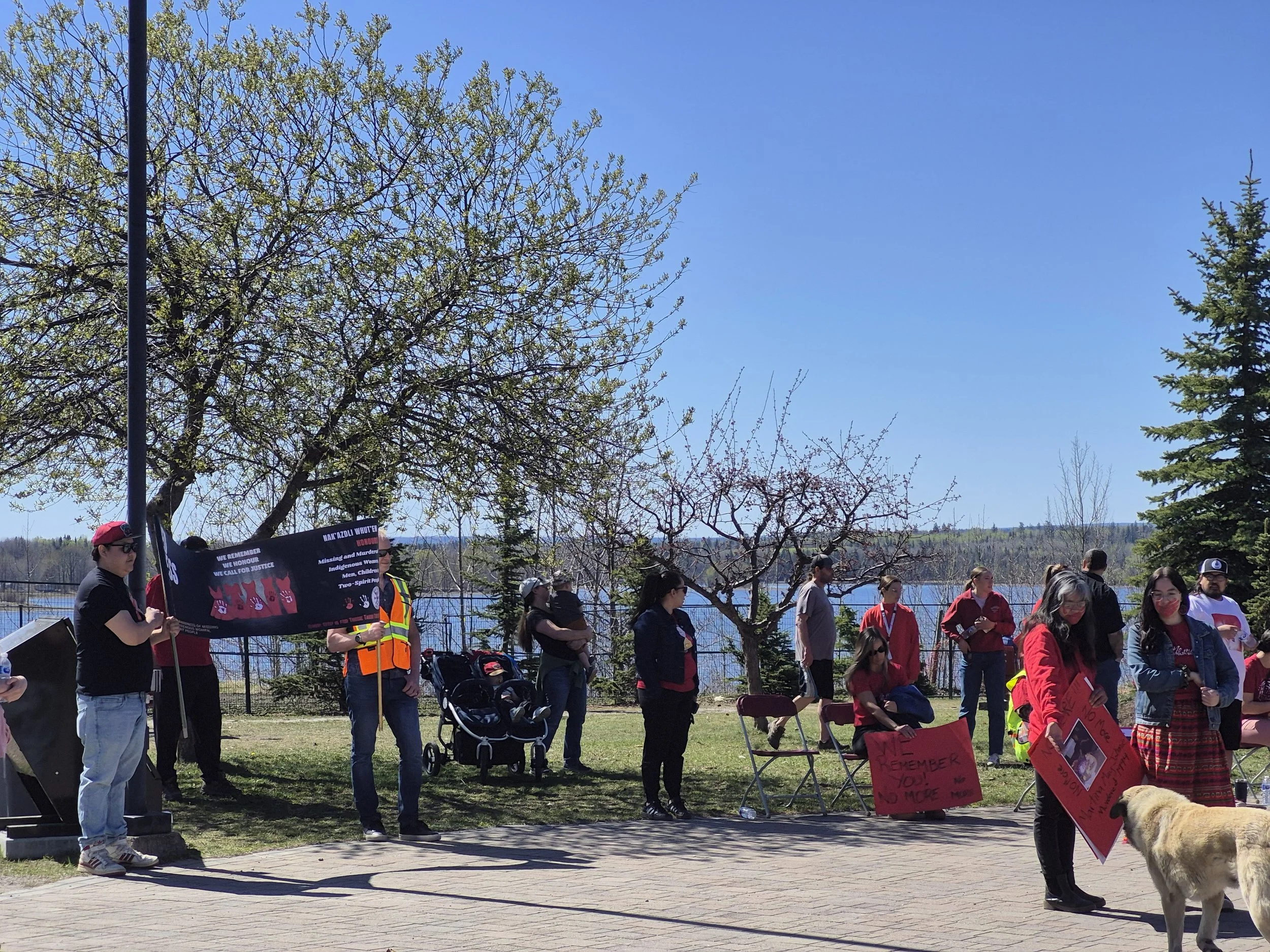
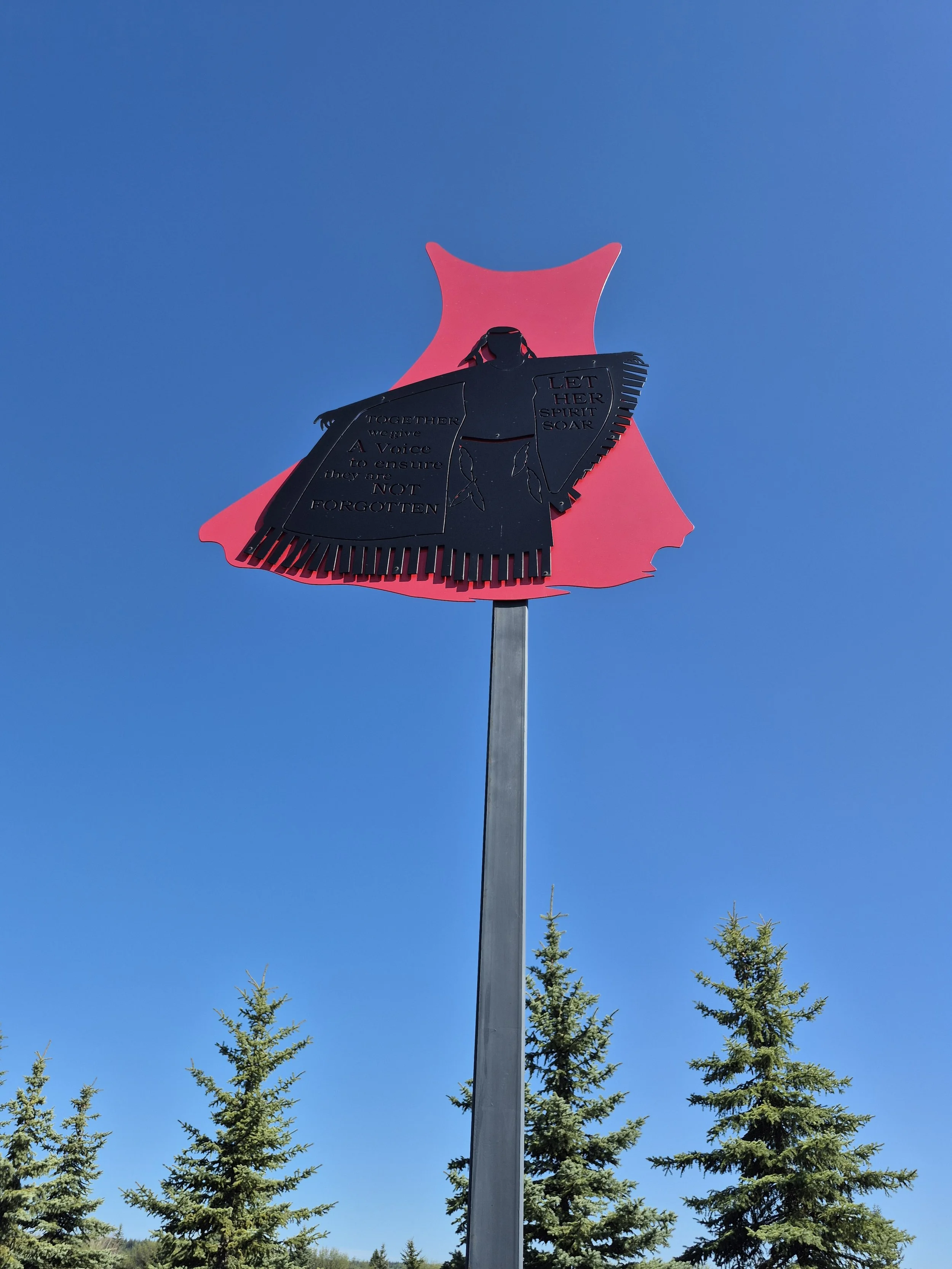
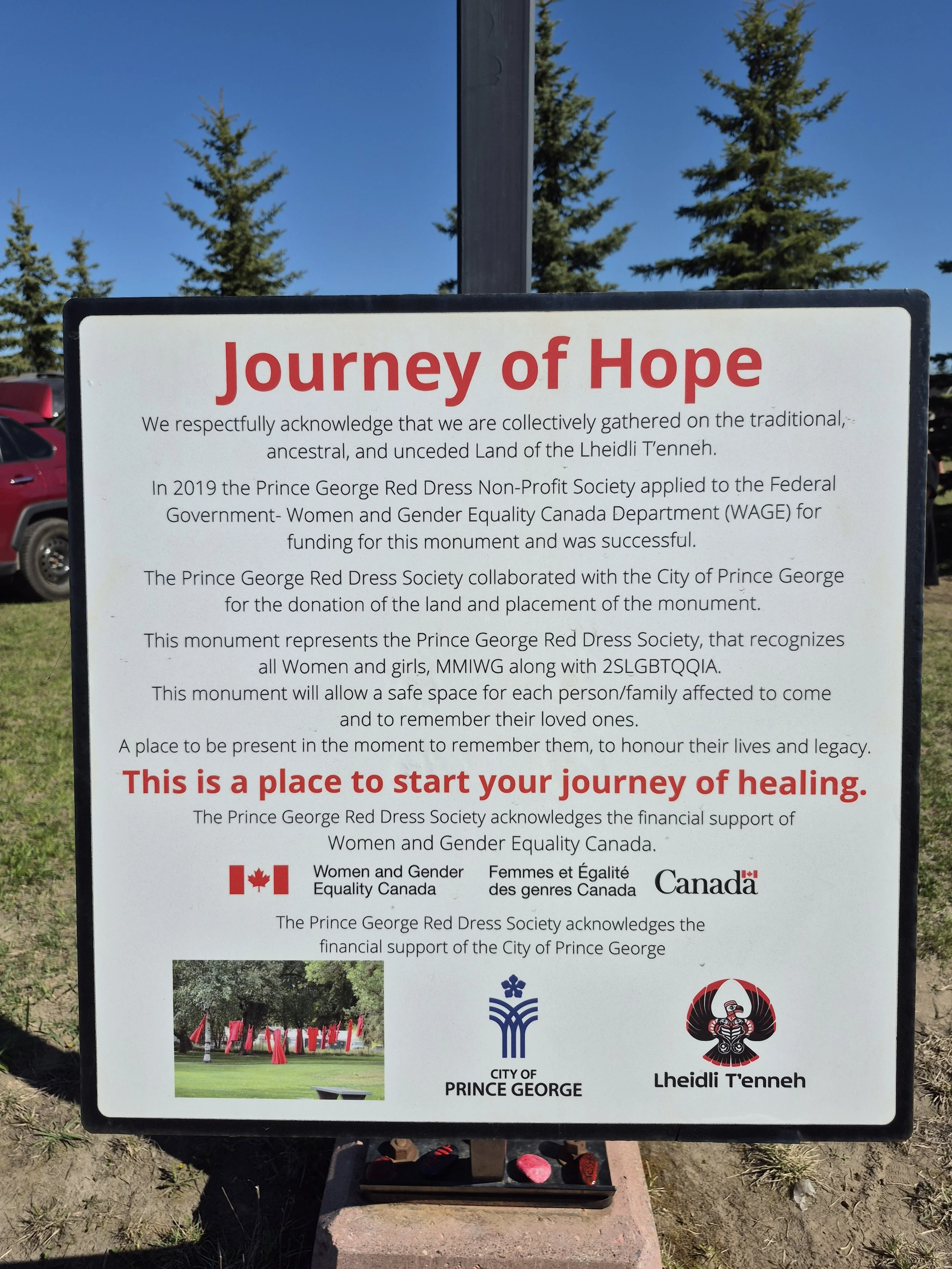
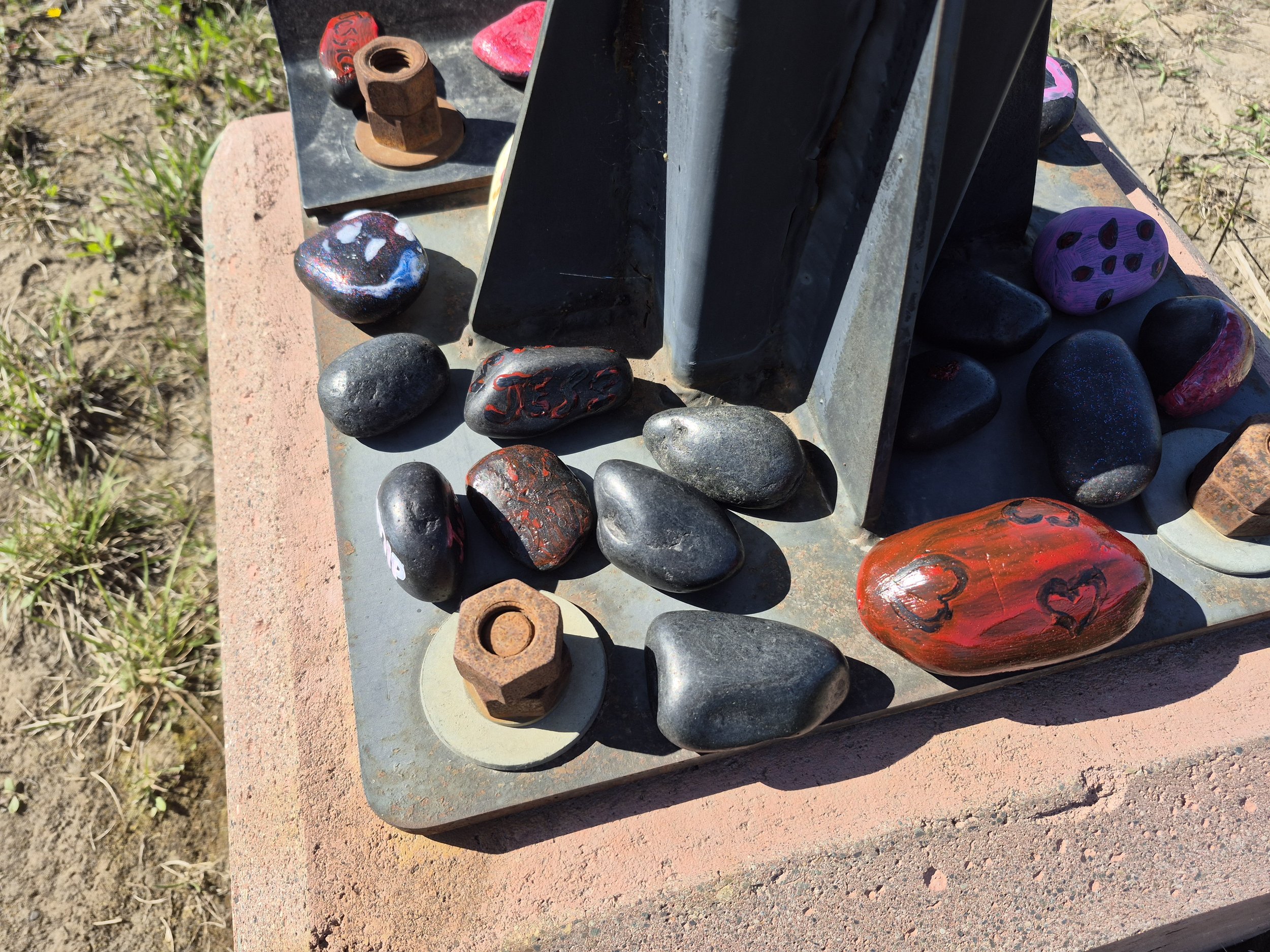
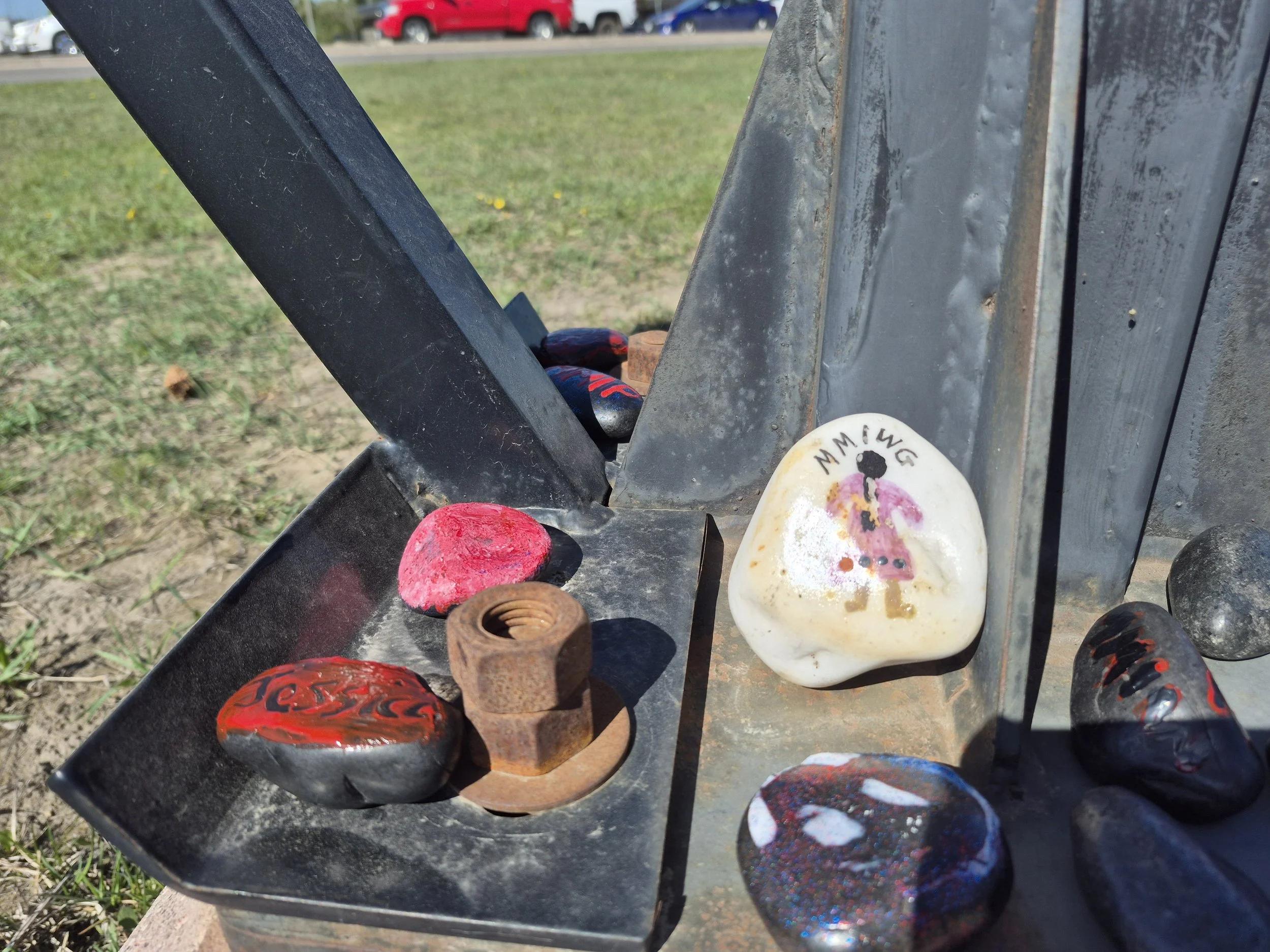
In Prince George and Fort St James, rallies were held to acknowledge MMIWG2S+ community members at recently erected Red Dress Memorials in both municipalities. Lauretta Prince, Office Manager & Events Coordinator for Nak’azdli Whut’en Nation cited that attendance has grown from about five, to fifty, in Fort St James since 2018. Despite that success, families are still searching for their lost loved ones. She cited a continual challenge in their remote community, “RCMP officers in our detachment, they change over year after year. They’re not familiar with how many people that are missing and murdered in our area…” This factor is improving, but it's among many others that highlight the need for continual education and awareness around the issue.
While economic opportunities could emerge as industrial development is slated to expand in the north, Nak’azdli Whut’en Councilor Fred Sam cautioned that men must also demonstrate leadership in making worksites and communities safer as women participate in that workforce. To the point, he stated, “that’s where the men, or the managers, or the supervisors need to step up and help protect the women there.”
Nak’azdli Whut’en Community Wellness Lead Tania Prince gestured towards the staggering shadows that social determinants of health (SDOH) and factors stemming from historical colonialism cast over the future. She noted the value of practicing traditions in order to heal, and reflected, “We come from a matriarchal society, and we need to protect our women. We need to teach our men about partner violence, and I think that’s where it starts.”
Back on the edge of Highway 16 in Prince George–Lheidli T’enneh, Kelsey Spears of Carrier Sekani Family Services encouraged all Canadians to shed a hopeful light on the issue by participating, showing up to events, and not letting the issue go. She wants to see people, “...taking up that space and being loud and proud about it.”
- Ian Gregg, CFURadio 88.7FM, Due North News, Local Journalism Initiative Reporter
If you, or someone you care about, could benefit from further resources. The following options have proven helpful:
MMIWG Crisis Line - 1-844-413-6649
Indian Residential School Survivors Society - Call 1-800-721-0066
The Highway of Tears Initiative office - located at #301 – 1777 3rd Avenue in Prince George (250) 961-4776
To report information regarding the RCMP's active and ongoing Highway of Tears investigations (Project E-Pana), call the dedicated tip line at 1-877-543-4822. You can also leave anonymous tips with Crime Stoppers at 1-800-222-8477.
Check out more of our stories on FrequencyNews.ca
Podcast subscription URL for your podcast app (RSS):